

Last Updated: November 3, 2026
Quick Summary
To store artisanal chocolates at home, choose a cool, dry, dark spot that holds a steady 14-18°C, such as an internal cupboard away from heat and sunlight. Keep them in their original packaging, sealed against moisture and odours, and avoid the fridge unless your cupboard climbs above 20°C. Always check the use-by date on freshly made chocolates.
- A steady temperature matters more than the exact number, as swings cause fat bloom.
- If you must refrigerate, wrap the box tightly and let it reach room temperature before unwrapping.
- Freezing suits solid bars better than fresh cream fillings, which should be eaten first.
- Reseal an opened box the same day and label it with the date you opened it.
- Bloom is harmless, but mould, sour smells or weeping fillings mean spoilage.
Table of Contents
- Step 1: Choose a Cool, Dry Spot for Your Chocolate
- The Best Temperature to Store Chocolate and Why Stability Matters
- Should Chocolate Be Refrigerated? A Practical Decision Guide
- How to Store Filled Chocolates and Truffles Safely
- How Long Do Handmade Chocolates Last? Use-By Dates and Shelf Life
- Packaging, Odours and the Enemies of Freshness
- Storing Artisanal Chocolates for Gifting and Transport
- Ordering Handmade Chocolates to Store at Home
- Frequently Asked Questions
Step 1: Choose a Cool, Dry Spot for Your Chocolate
Learning how to store artisanal chocolates at home starts with one decision: where they live. Find a spot that stays cool, dry and dark, away from the oven, radiator and window. A closed cupboard or larder shelf works well for most kitchens.
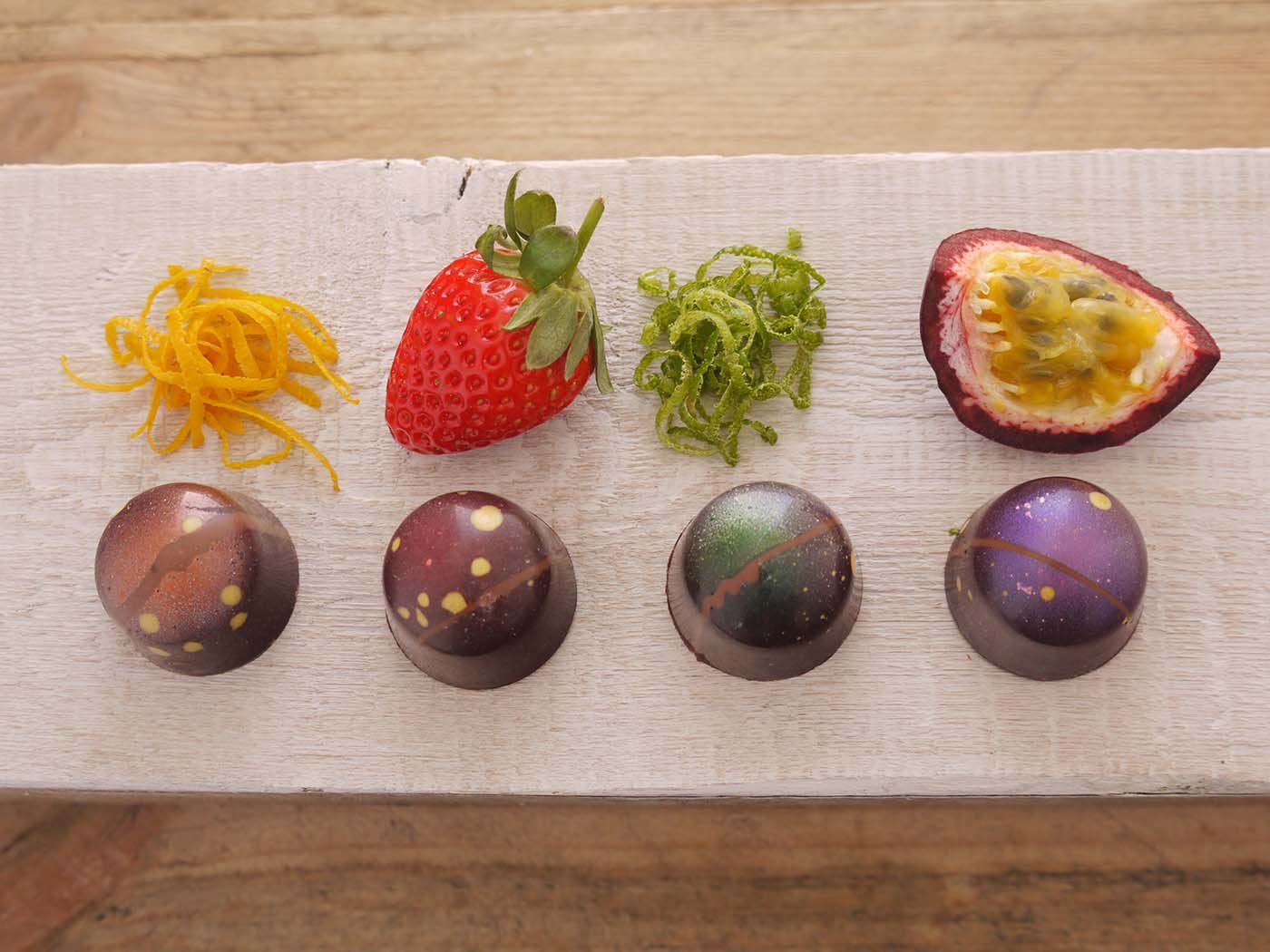
Chocolate storage is the practice of keeping chocolate at a steady, moderate temperature with low humidity and no direct light. Get that right and your chocolates keep their snap, gloss and flavour far longer.
Most homes have a good spot already. You just need to check it properly:
- Pick an internal cupboard, not one against an outside wall
- Keep it away from the hob, kettle and any heat source
- Avoid the top of the fridge, which warms and vibrates
- Check the spot stays steady through the day, not just in the morning
Watch out: a cupboard that feels cool at breakfast can hit high temperatures by mid-afternoon if sunlight reaches it. Test the spot over a full day before trusting it.
The Best Temperature to Store Chocolate and Why Stability Matters
The best temperature to store chocolate sits in the range of 14-18°C, according to guidance from the Food Standards Agency on safe food storage. More important than the exact number is stability. Chocolate copes with cool conditions far better than it copes with swings.
When chocolate warms and cools repeatedly, the cocoa butter separates and rises to the surface. That greyish film is called fat bloom. It is harmless, but it looks dull and the texture turns grainy. Sugar bloom, a similar white haze, comes from moisture rather than heat.
So the rule is simple: a steady temperature beats a fluctuating one every time. Keep a thermometer in your chosen cupboard if you want certainty.
Should Chocolate Be Refrigerated? A Practical Decision Guide
Most of the time, no. The fridge is cold, but it is also damp and full of strong smells, and chocolate absorbs both. Refrigeration is a tool for specific situations, not a default. The decision comes down to three questions: how warm is your storage spot, how long are you keeping the chocolate, and what is inside it.
A Simple Decision Path
Work through these in order:
- Is your cupboard staying at or below 18°C? If yes, keep the chocolate there and stop. The fridge adds risk without benefit.
- Is the cupboard climbing above 20°C for hours at a time? If yes, move the chocolate somewhere cooler first, a lower shelf, an internal cupboard away from outside walls, or a larder. Only reach for the fridge if no spot holds steady.
- Are you keeping it beyond its use-by date, or transporting it through hot weather? Brief, well-packaged refrigeration may be the lesser evil.
- Does the box contain fresh cream, ganache or fruit fillings? Follow the pack instructions over any general rule.
Why Condensation Is the Real Enemy
When cold chocolate meets warm room air, moisture condenses on its surface. That surface moisture dissolves sugar at the surface and, as it dries, leaves sugar bloom, a rough, gritty haze. It can also encourage mould on exposed fillings. The fix is not to avoid the fridge at all costs, but to control the temperature gap.
How to Refrigerate Without Ruining the Chocolate
If you must refrigerate, do it carefully:
- Leave the chocolates in their original box, then wrap the box tightly in cling film or foil, two layers if the fridge is humid
- Place the wrapped box inside an airtight container to block odours
- Put the container at the back of the fridge, not the door, where temperature swings are smallest
- Bring the container out and let it reach room temperature before unwrapping, this can take an hour or more for a full box
- Never re-refrigerate after warming, as each cycle adds another condensation event
Watch out: unwrapping cold chocolate straight from the fridge is the single most common way to ruin it, the surface fogs within seconds and bloom follows within a day.
Freezing for Longer Storage
Freezing works better than refrigeration for long-term keeping because the temperature is stable and dry. Wrap the chocolates tightly, place them in an airtight container, and freeze for up to several months depending on the filling. Thaw in the container, unopened, in the coolest room in the house, then bring to room temperature before serving. Solid bars survive freezing well; fresh cream fillings do not, so check the use-by date and eat those first.
How to Store Filled Chocolates and Truffles Safely
Filled chocolates and truffles need more care than solid bars. Fresh cream, ganache and fruit fillings are perishable, so how to store filled chocolates comes down to time and temperature.
Fresh cream truffles need careful handling. Keep them cool, eat them within their stated use-by date, and follow any storage instructions on the box.
A few practical rules:
Shop All Halloween Chocolates →
- Keep filled chocolates in their original box, which is designed to protect them
- Store away from strong-smelling foods
- Do not stack heavy items on top
- Check the use-by date before you buy and again before you serve
If you are ever unsure whether a filled chocolate is still good, trust the date on the packaging over appearance.
How Long Do Handmade Chocolates Last? Use-By Dates and Shelf Life
How long do handmade chocolates last? It depends entirely on the filling. Always check the use-by date on the box, as shelf life varies with the filling.
Always check the use-by date on freshly made chocolates. This is the single most reliable guide, and it beats any general rule of thumb.
Chocolate type |
Typical keeping |
Best storage |
|---|---|---|
Solid bars |
Several months |
Cool, dry cupboard |
Ganache-filled |
Weeks |
Cool, dark, sealed |
Fresh cream truffles |
Short, check the date |
Cool and sealed, eat promptly |
Nut and praline |
Weeks to months |
Cool, dry, away from odours |
If you want to enjoy a box at its best, plan a tasting rather than leaving it in the cupboard.
Packaging, Odours and the Enemies of Freshness
Chocolate is a sponge for smells. Leave an open bar beside coffee, spices or cheese and it will taste of them within a day. That is why sealed wrapping and original packaging matter so much. The enemies of freshness are consistent: light, which dulls flavour and speeds up bloom; moisture, which causes sugar bloom and a gritty texture; heat, which melts and re-sets the cocoa butter; and odours, which chocolate absorbs readily.
Comparing Packaging Options
Not all wrapping protects equally. Here is how the common options compare:
Packaging |
Protects against |
Weakness |
|---|---|---|
Original box and inner wrap |
Light, knocks, some moisture |
Not airtight once opened |
Foil |
Light, odours, moisture |
Tears easily; needs an outer layer |
Cling film |
Moisture, odours |
Thin; can transfer smells if reused |
Airtight container |
Moisture, odours, pests |
Does not block light unless opaque |
Greaseproof or food-safe paper |
Knocks, light |
Poor moisture barrier |
Keep chocolate away from light and moisture, in its original packaging.
Resealing a Partly Used Box or Bar
Once a box is opened, the clock starts. Reseal it the same day:
- Keep the inner tray and any dividers, they stop pieces knocking together
- Wrap the tray in cling film or foil, pressing out as much air as possible
- Return it to the original box, then into an airtight container
- For a part-used bar, wrap the cut face tightly against the foil or film
- Label the date you opened it, so you can prioritise it over newer stock
Troubleshooting Bloom Versus Spoilage
A white or grey haze is usually harmless bloom, not spoilage. Fat bloom looks like a dull grey film and comes from heat cycles; sugar bloom looks like a rough white powder and comes from moisture. Both are safe to eat, though the texture suffers. Spoilage looks different: mould, a sour or off smell, or a filling that has wept or separated. For fresh cream and fruit fillings, trust the use-by date over appearance, if it is past the date, discard it. For solid bars, bloom alone is not a reason to throw chocolate away.
Keeping Odours Out
Store chocolate well away from the spice rack, coffee, cheese and cleaning products. If your cupboard holds strong-smelling foods, use a dedicated airtight container for chocolate rather than sharing shelf space. If you enjoy strong flavours, our chocolate and craft beer pairing guide shows how to taste them together.
Storing Artisanal Chocolates for Gifting and Transport
A boxed selection needs to arrive looking as good as it left. When you store artisanal chocolates for gifting, keep them in their box, in a cool spot, until the moment you hand them over. For a gift-ready option, see the Dark Chocolate House Truffles Valentine's Heart Box.
For transport:
- Keep the box flat and out of direct sun
- Avoid leaving chocolates in a warm car
- In hot weather, use a cool bag with a small ice pack, wrapped so it does not touch the box
- Unwrap and serve at room temperature
Ordering Handmade Chocolates to Store at Home
The best storage advice starts before the chocolates reach your kitchen. Order from a chocolatier who packs for freshness and tells you clearly when to eat each piece.
At Gorvett & Stone, our handmade chocolates are made with fine ingredients. We are an independent chocolatier.
A quick checklist before you order:
- Check the use-by date on arrival
- Confirm which pieces contain fresh cream
- Have a cool, dry cupboard ready
- Keep the original packaging for storage
- Plan to eat fresh cream pieces first
Frequently Asked Questions
What is the best way to store artisanal chocolates at home?
Keep them in their original packaging or an airtight container in a cool, dry, dark place such as a cupboard away from the oven, radiator and sunny windows. Aim for a steady temperature and avoid moving the box between warm and cold spots, because swings in temperature cause condensation and bloom. Always check the use-by date on freshly made chocolates and eat within it.
Should chocolate be refrigerated, and what temperature is best?
The best temperature to store chocolate is a steady cool room temperature, which keeps the cocoa butter stable and the texture right. Refrigeration is only worth it in hot weather or for long keeping, and then only if the chocolate is sealed tightly and brought back to room temperature before opening. Otherwise the fridge invites condensation, moisture and absorbed food odours.
How long do handmade chocolates last, and how should filled chocolates be stored?
How long handmade chocolates last depends on the filling and the use-by date on the box, so always check it rather than guessing. Store filled chocolates flat, sealed and away from light and moisture, and follow the maker's guidance for that specific collection.
Storing chocolate well is not complicated, but it is easy to get wrong. Keep it cool, dry, dark and sealed, check every use-by date, and your chocolates will taste as intended. Get started with Gorvett & Stone and enjoy handmade chocolates at their very best, with fine ingredients, careful packing and a range built for gifting and everyday indulgence.

Leave a comment